
Auto Detailing Excellence



Ceramic Coating
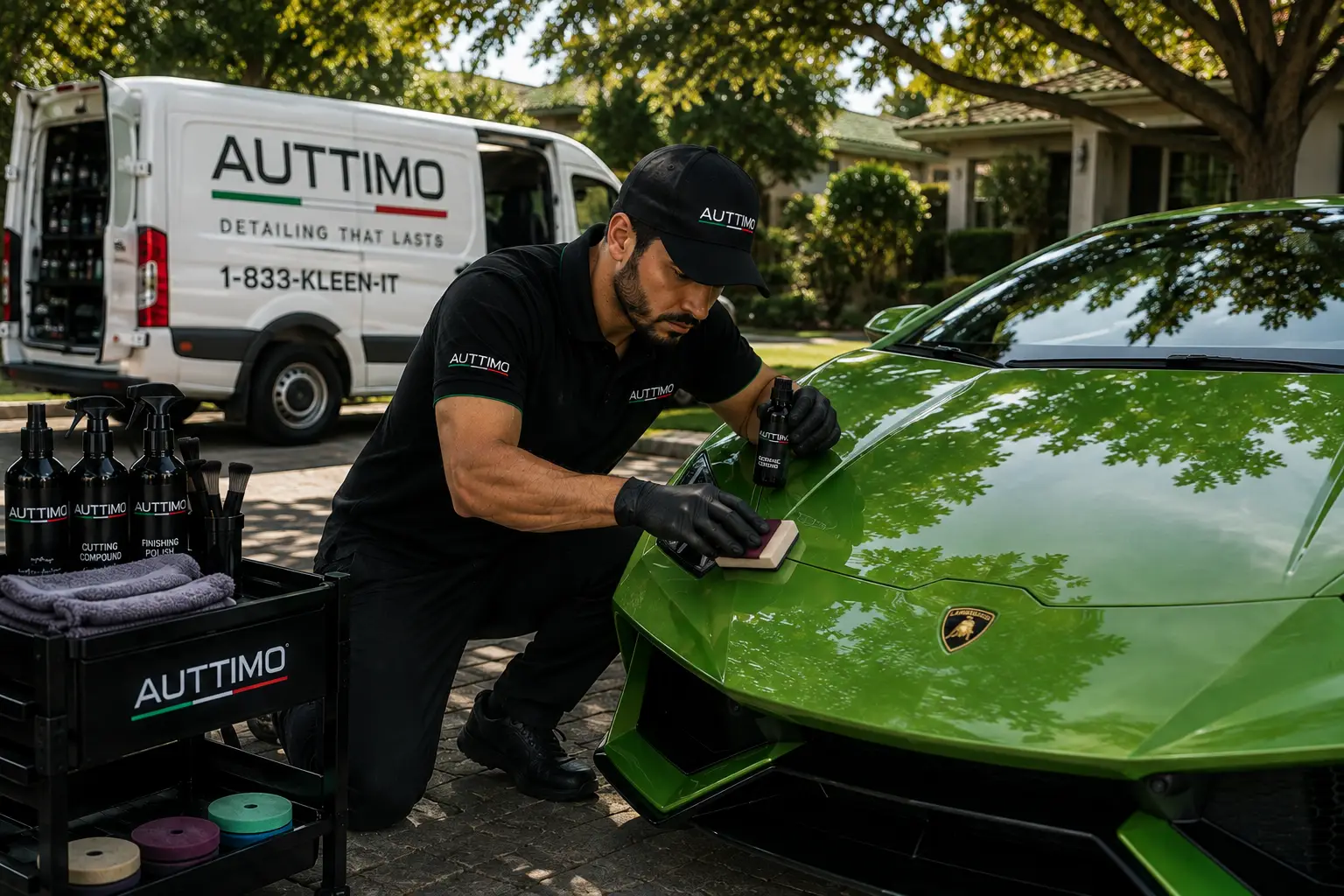
Our Ceramic Coating Packages
Auttimo – Italian for Optimal.
Our Ceramic Coating Packages
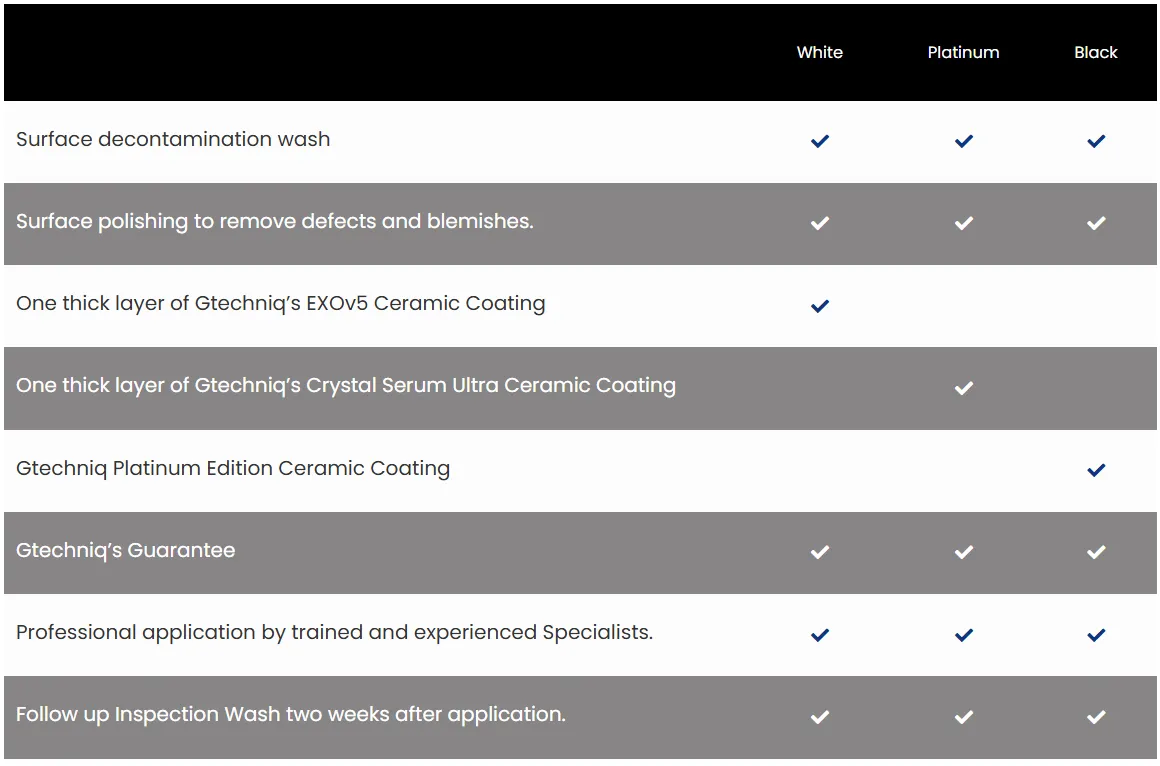
White
Platinum
Black
White Ceramic Package
Our Starter Ceramic Package
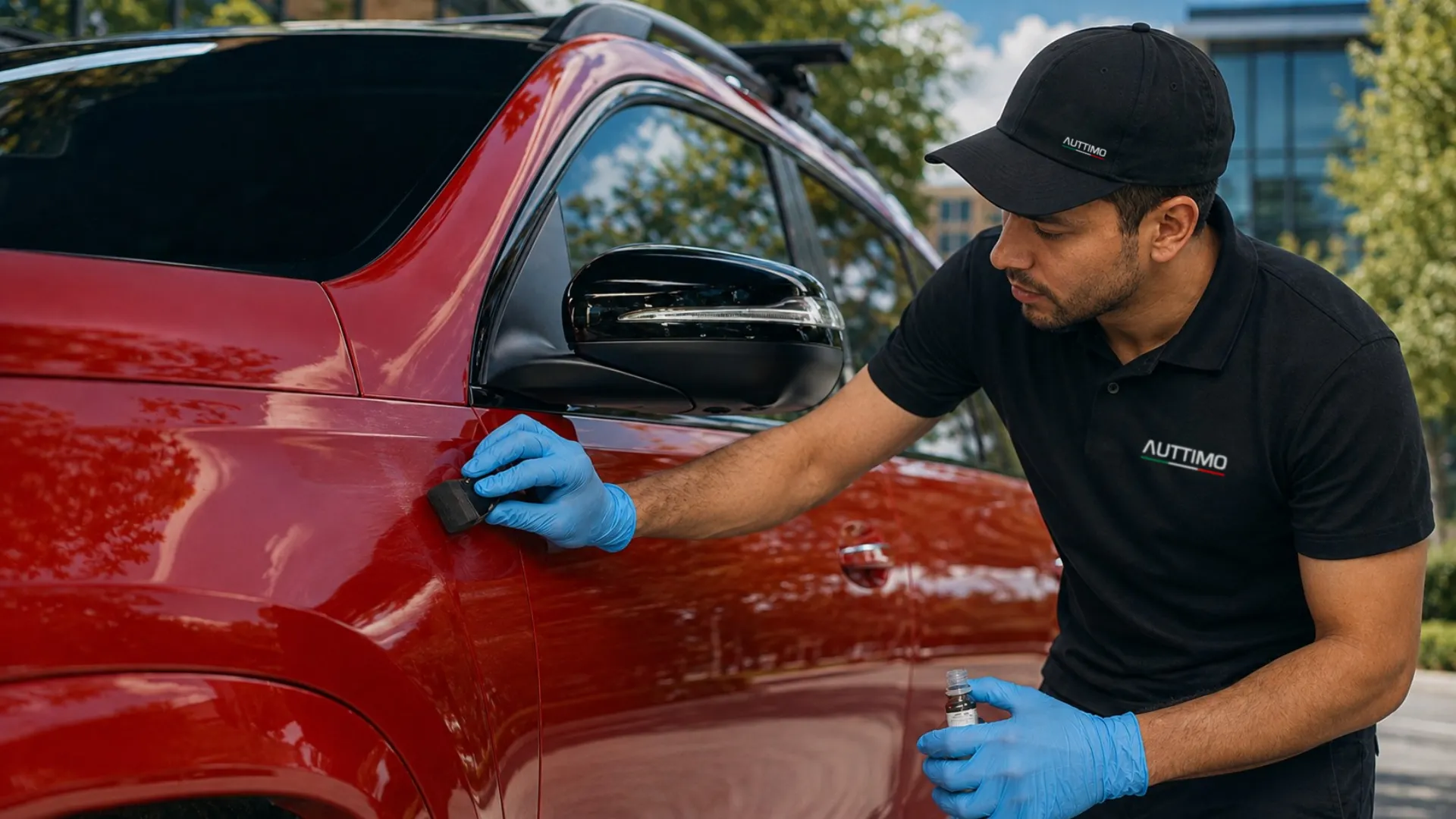
Looking for a powerful way to shield your vehicle’s paint and keep it looking showroom-fresh? White Ceramic is your go-to solution for up to 2 years of high-performance protection. This advanced coating forms a durable, high-gloss layer that defends against water spots, road grime, chemicals, and everyday wear. Its ultra-slick, hydrophobic finish not only repels contaminants but also makes washing a breeze—keeping your car cleaner, shinier, and better protected between details. Perfect for anyone who wants lasting shine with minimal upkeep.
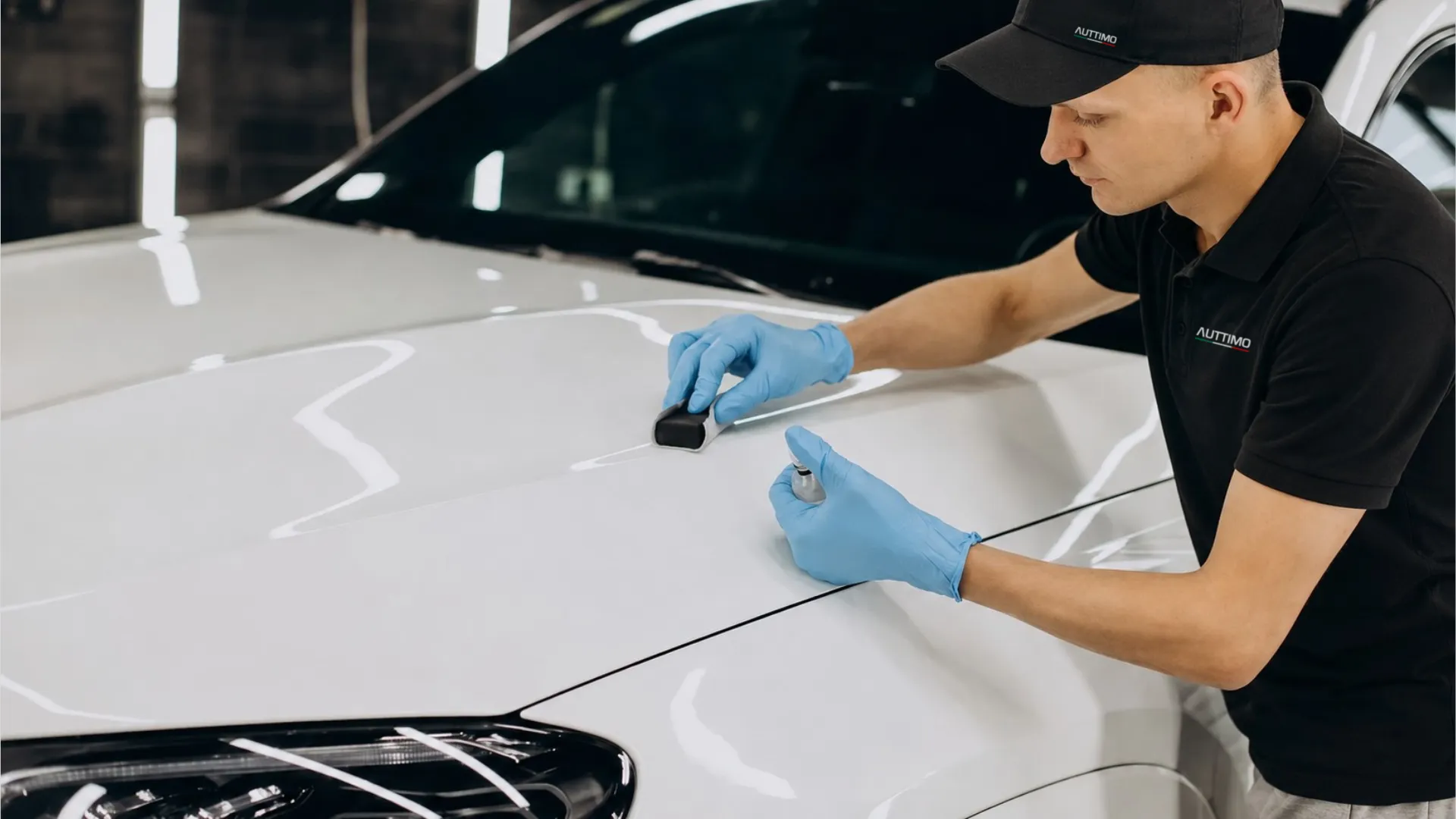
Paint Correction
Platinum Ceramic Package
Our Mid-Level Ceramic Package
Ready to elevate your vehicle’s protection to the next level? Platinum Ceramic is the ultimate long-term solution, offering up to 9 years of relentless durability and shine. This premium ceramic coating forms an ultra-tough, high-gloss shield that defends your paint against harsh UV rays, corrosive chemicals, bird droppings, and stubborn water spots. Engineered for serious protection and applied exclusively by certified professionals, Platinum Ceramic keeps your car looking showroom-new with minimal maintenance and maximum resilience.
Black Ceramic Package
Our Top-Shelf Ceramic Package
Experience the boldest in brilliance and defense with Black Ceramic, available only at Pit Stop Auto Detailing. This elite ceramic coating is engineered to deliver an ultra-deep gloss that turns heads, while forming a tough, multi-layer barrier that shields your vehicle from harsh chemicals, road grime, and scratches. Its cutting-edge hydrophobic technology keeps your ride cleaner, longer—and with protection that lasts up to 9 years, it’s not just a coating, it’s a commitment to lasting excellence. Ready to redefine what premium protection looks like? Black Ceramic is the upgrade your vehicle deserves.
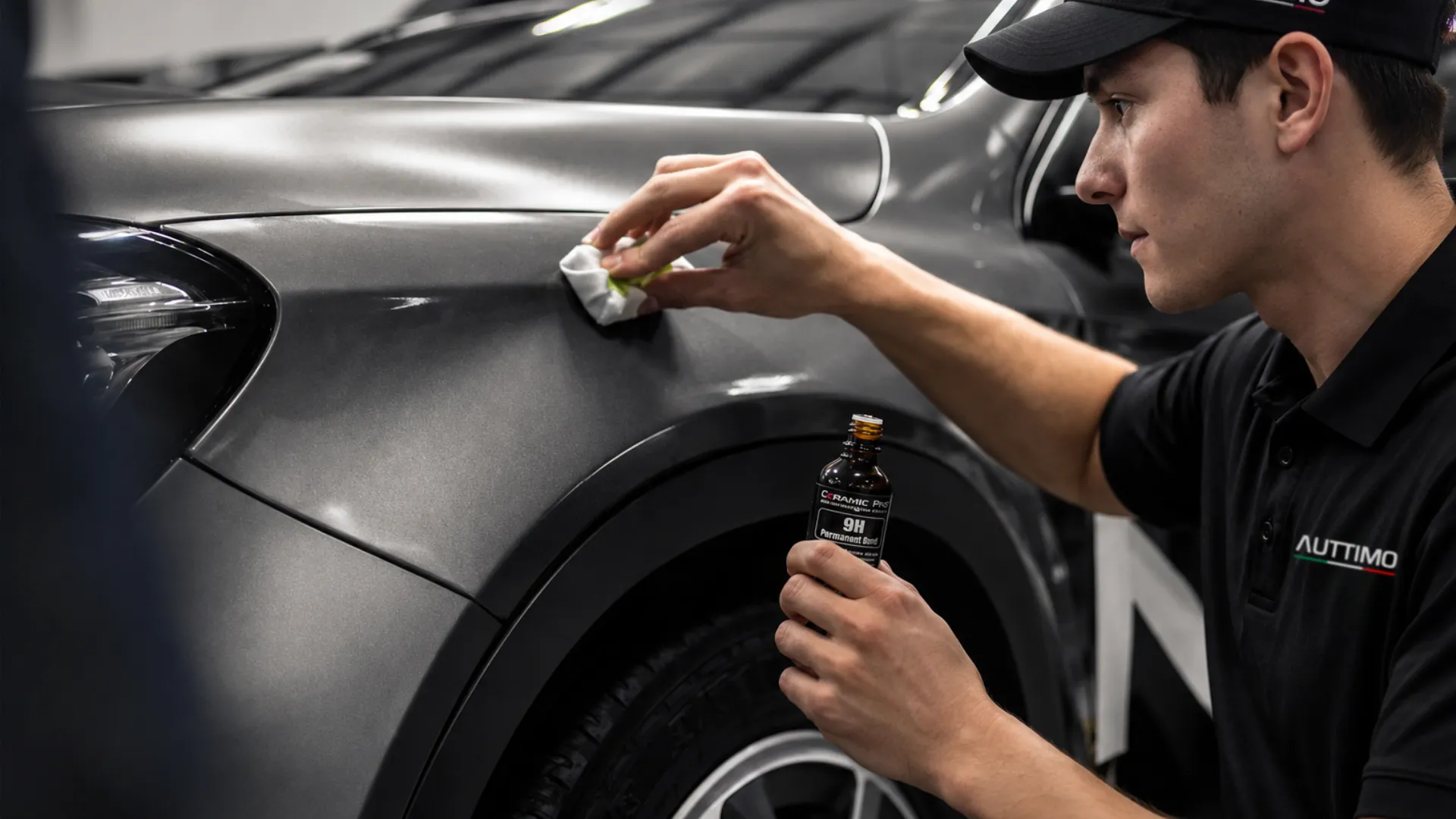
Auttimo Ceramic Coating
Ceramic Coating Process
Step 1
Thorough Cleaning
Step 2
Decontamination
Step 3
Paint Correction
Step 4
Ceramic Coating
Ceramic Coating Frequently Asked Questions
Employing advanced nano-science, our ceramic coatings forge an impenetrable shield by bonding at the molecular level with various surfaces on your vehicle. Beginning as a fluid polymer, this transformative layer solidifies into a fortified barrier, resisting UV rays, environmental hazards, and pollutants prevalent in the environment. Its hydrophobic nature not only repels grime but also ensures effortless cleaning, promising enduring protection.
Our ceramic coating solutions offer versatility across a spectrum of surfaces. From the conventional painted panels to the intricate details of your rims and wheels, our adept team extends this protection to glass, plastic trims, chrome accents, and even interior surfaces with our specialized New Car Protection service.
While ceramic coatings reduce maintenance efforts, regular washing remains essential to preserve their pristine condition. Despite their hydrophobic properties facilitating easy cleaning, periodic professional detailing is crucial to combat accumulating dust, dirt, and contaminants. Adhering to a diligent washing regimen ensures sustained effectiveness and upholds the aesthetic appeal of your vehicle.
Yes, but it requires more than just a simple wipe-down. Ceramic coatings bond tightly to your vehicle’s paint, so light solvents or cleaners alone won’t remove them. To properly replace an existing coating, the surface must first go through a polishing or paint correction process to remove the old layer. Once fully stripped, a new ceramic coating can be applied. For a flawless finish and long-lasting protection, professional removal and reapplication are strongly recommended.
The answer depends on two key factors:
-
Who applied the coating?
Not all ceramic coatings—or installers—are created equal. While we have a deep respect for others in the industry, we’ve encountered too many failed applications due to poor surface prep, rushed installations, or a lack of proper care instructions afterward. That’s why we dedicate hours to meticulous preparation before even applying the coating—ensuring strong bonding and maximum durability from the start. -
How is it maintained?
Ceramic Ceramic coatings significantly simplify vehicle maintenance, but they still require proper care. They’re not meant to withstand the harsh bristles of standard automatic car washes, which can act like sandpaper on your paint and slowly degrade the coating. That’s why we make it a priority to educate each client on how to properly care for their coating—so it continues protecting and shining for the long haul.
Ceramic coatings form a durable, glass-like layer that bonds deep into the surface of your vehicle’s paint. This protective layer acts as a barrier against various environmental hazards, preventing them from reaching and damaging the paint underneath. While it can help resist light scratches, its real strength lies in chemical protection. Ceramic coatings are highly hydrophobic, meaning they repel water and moisture—ensuring contaminants like acid rain, bird droppings, brake dust, and other harmful substances don’t penetrate or stain your paint. In addition, they offer excellent UV resistance, helping to preserve the color and integrity of your paint by preventing fading, oxidation, and degradation over time. It’s important to note that ceramic coatings are not the same as paint protection film (PPF); they won’t stop rock chips or deep scratches, but they do offer exceptional chemical and environmental defense for long-term paint preservation.
Ceramic coatings are in a league of their own compared to traditional waxes or sealants. Here’s why:
-
Longevity & Bonding: Unlike waxes or sealants that sit on the surface and typically wear off within a few months, true ceramic coatings bond at a molecular level to your vehicle’s paint. This creates a durable, long-lasting protective barrier that can endure for years with proper care.
-
UV Protection: Ceramic Coatings offer advanced UV resistance, shielding your paint from harmful rays that cause fading and oxidation. This helps your vehicle maintain a fresh, vibrant appearance over time.
-
Hydrophobic Surface: Ceramic coatings form an ultra-slick, hydrophobic layer that repels water, dirt, dust, and grime. Contaminants have a hard time sticking, and most rinse off easily—eliminating the need for harsh scrubbing.
Simply put, while waxes offer temporary shine and protection, ceramic coatings provide superior, long-term defense and significantly reduce maintenance.
Ceramic coatings are scientifically engineered to bond at a molecular level with your vehicle’s paint, forming an invisible, long-lasting shield. This barrier locks out daily contaminants while preserving a finish that often looks better than brand new.
Once fully cured, the coating creates a hard, glass-like surface that becomes part of the paint itself. It’s highly resistant to heat, which means it blocks damaging UV rays that can cause fading and oxidation over time—helping maintain that showroom shine.
In addition, ceramic coatings are incredibly hydrophobic. In simple terms, they repel water. When moisture hits the surface, it beads up and rolls off, carrying dirt and debris away with it. This not only keeps your car cleaner for longer but also makes maintenance effortless.
We Offer Ceramic Coating for the Following Car Brands
Ceramic Coating
We love cars as much
as you do
Our franchisees and partners are all professionally accredited local owner-operators who take as much pride in your vehicle as you would. We value long-term relationships with our clients and you can count on us to take the care you would…if only you had the time.

At Auttimo, every wash is handled with precision and care — using premium products and professional techniques to restore your vehicle’s look and feel. Our routine ceramic coating covers all the essentials to keep your car clean, protected, and ready for the road, without you ever having to leave home.
Auttimo Mobile Auto Detailing Franchises Available
Mobile Car Wash
Obsessed with car culture and thinking of starting your own business? Welcome to Auttimo Life!
Our Franchisees live the “Auttimo Life” – the epitome of exotic car culture and lifestyle. Spend your days working on Ferraris, Lamborghinis and Porsches, and attend special Auttimo Life sponsored racing and automotive events as a Franchise Owner with your VIPs …plus, you’ll build your network to include a client list full of the most succesful people in the world. Come live your best Auttimo life.


Leveraging the razor’s edge of nanotechnology, ceramic coating formulas use nanoparticles to bond with your vehicles surfaces to shield your vehicle from contaminants and harmful UV rays.
Ceramic coating creates a sacrificial layer preventing stains from the environment or human-made contaminants.
Ceramic Coating Auttimo offers top-tier Ceramic Pro Ceramic Coating packages that create maximum protection for your paintwork alongside deep, detailed surface gloss. Ceramic coating is the perfect solution to protect vehicles, boats and watercraft from dirt, contamination, and destructive UV rays.